
Infrastructure
Built Into
the Land.
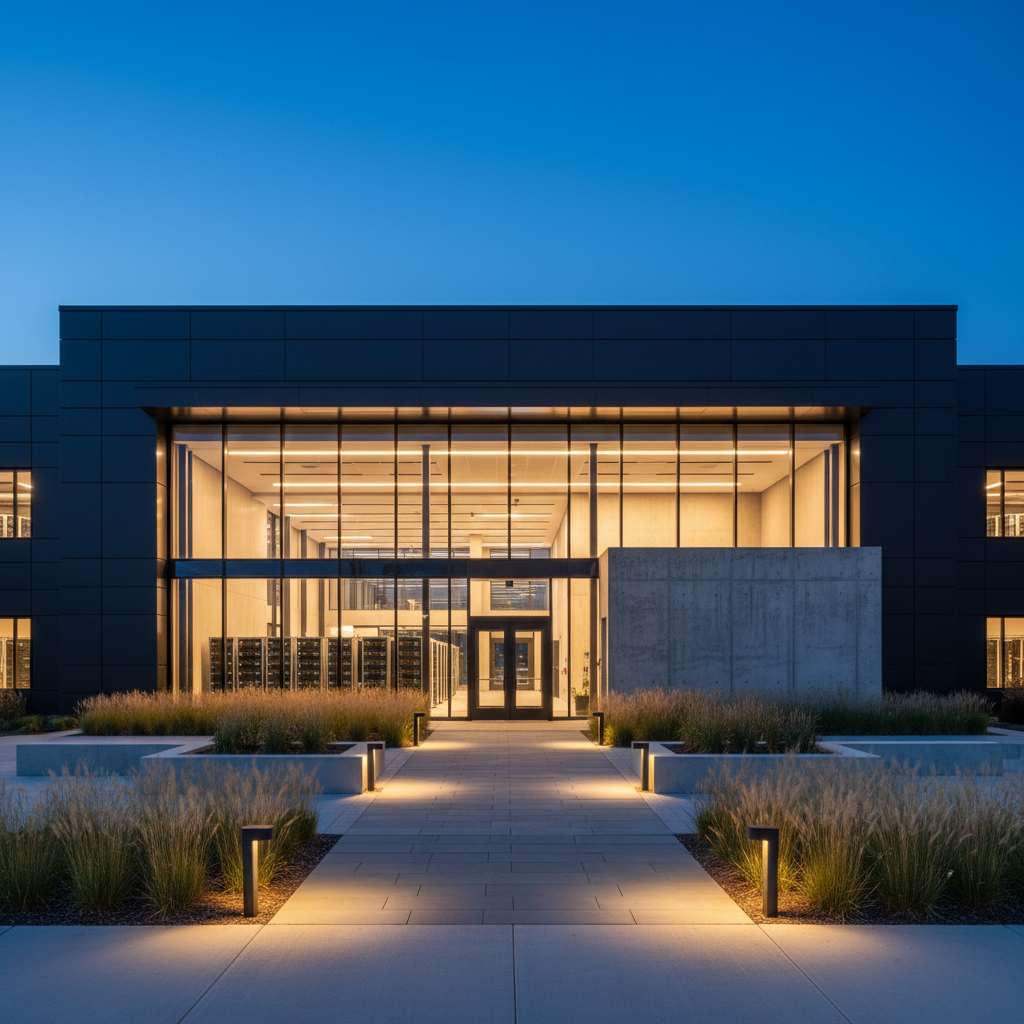
Data center shell development focused on the Midwest and Rocky Mountains. We plan the land, power, cooling, and connectivity infrastructure for AI, cloud, and high-performance compute. Tenants bring their equipment and operations.
Engineered for Efficiency.
Built for the Climate.
Sub-Zero Air Economization
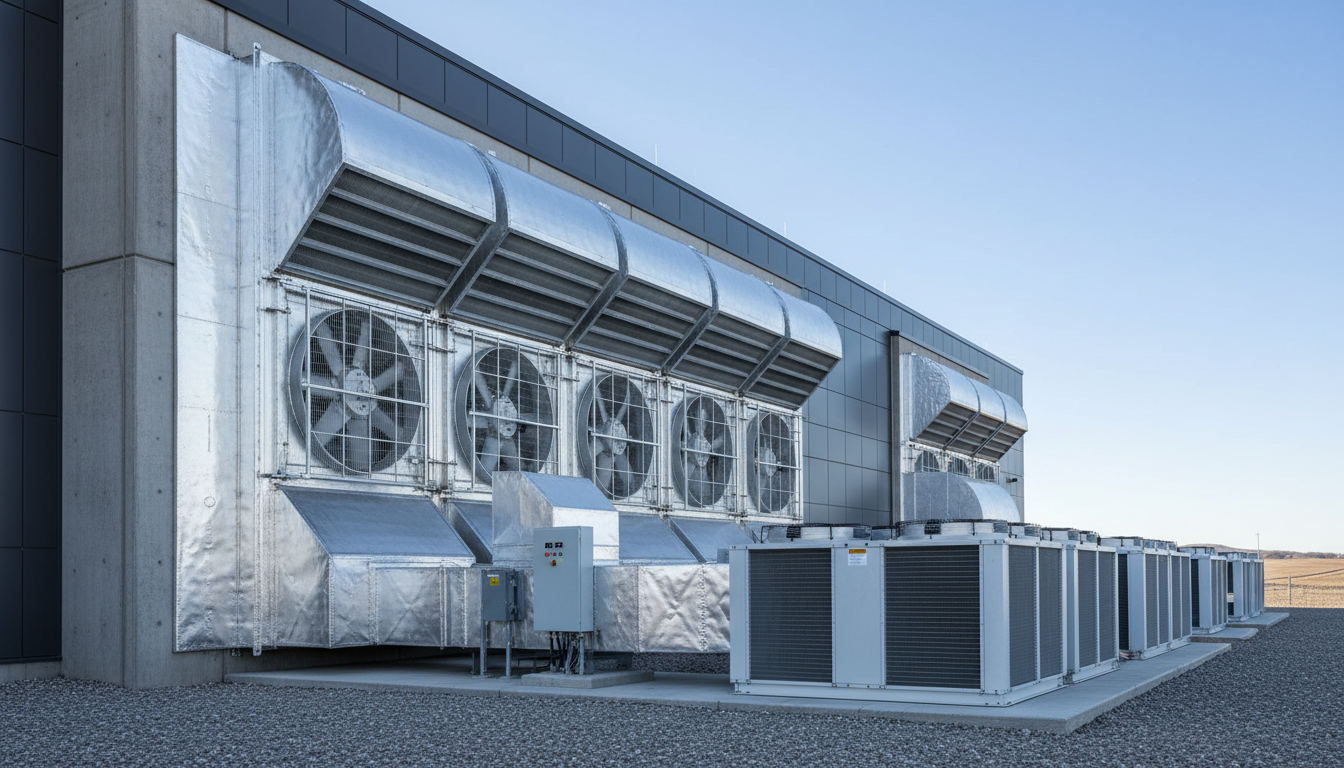
Cold-climate opportunities across the Midwest and Rocky Mountains support air-side economization. Cooler ambient conditions can reduce mechanical refrigeration demand, with performance evaluated for each project.
Closed-Loop Water System
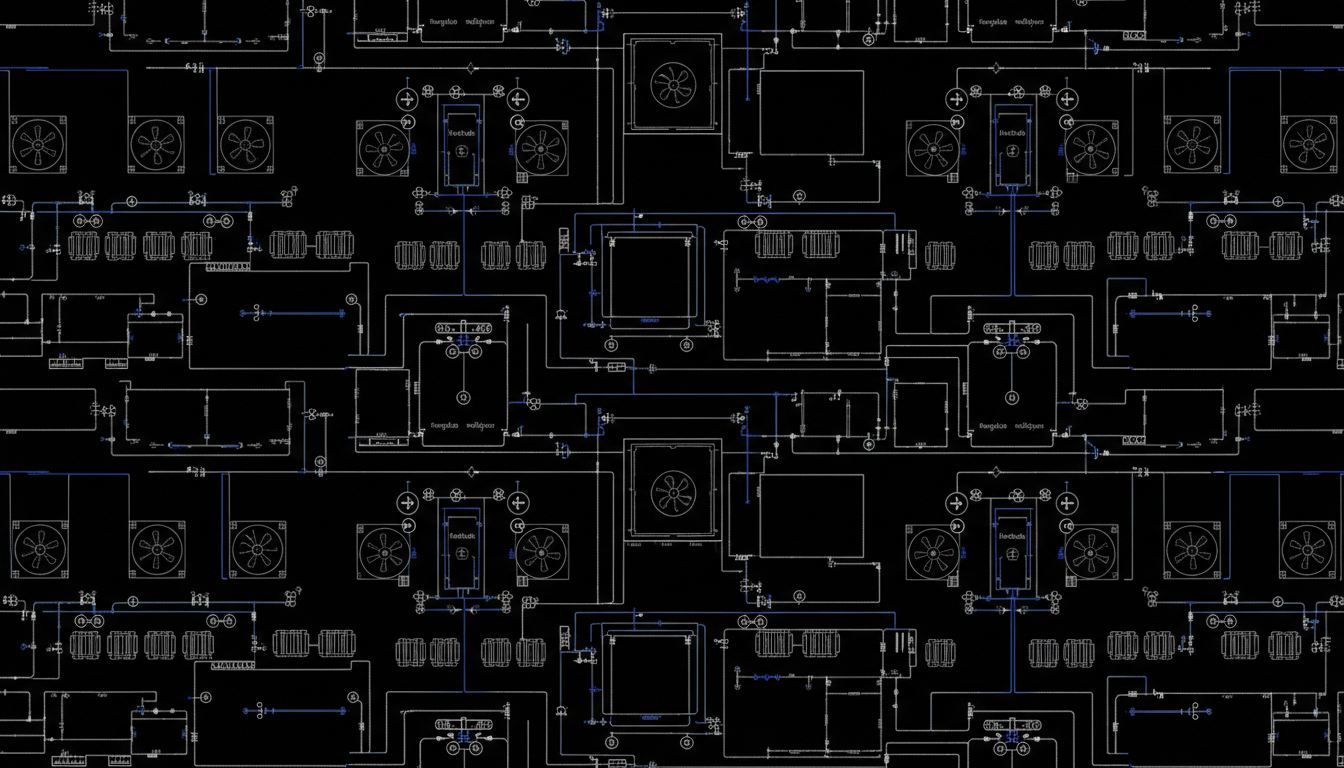
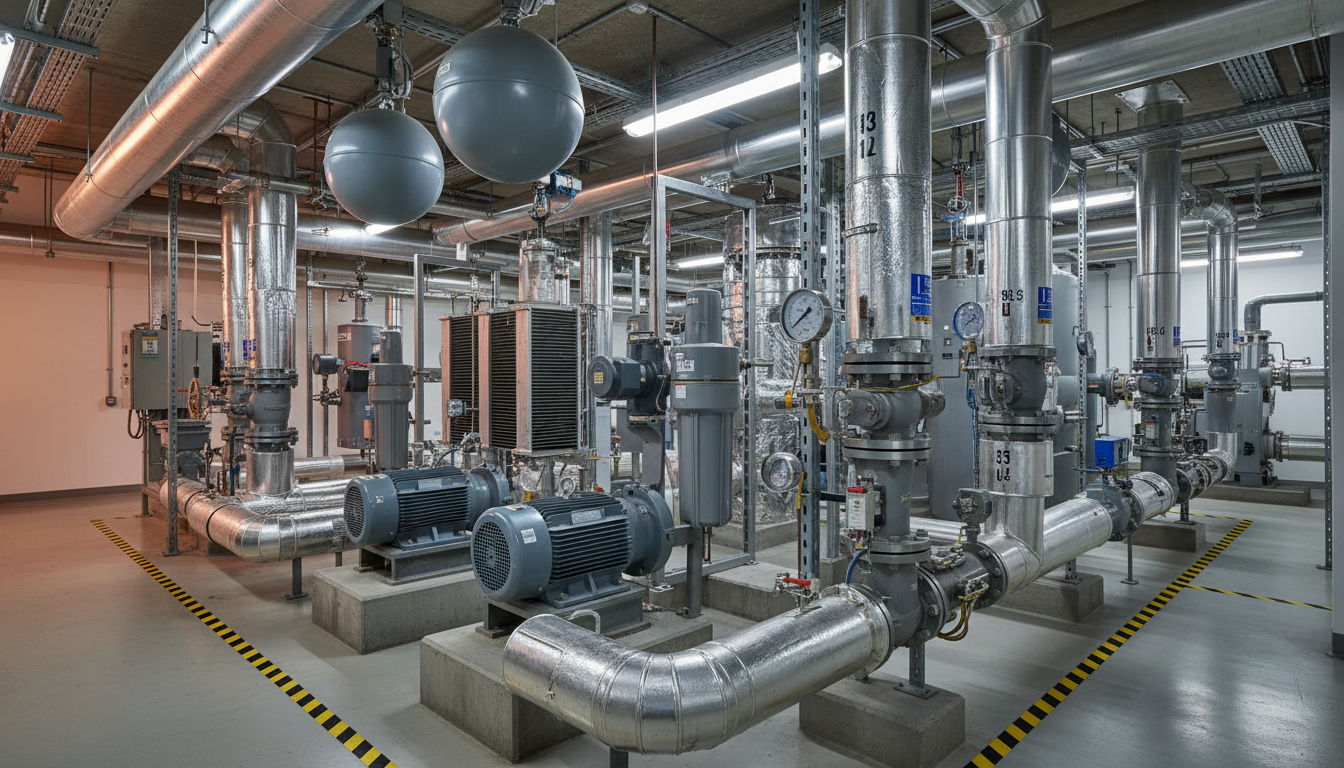
Closed-loop cooling is designed to recirculate water through heat exchangers and dry coolers, limiting evaporative losses. Initial fill, maintenance, and other facility water needs are assessed during design.
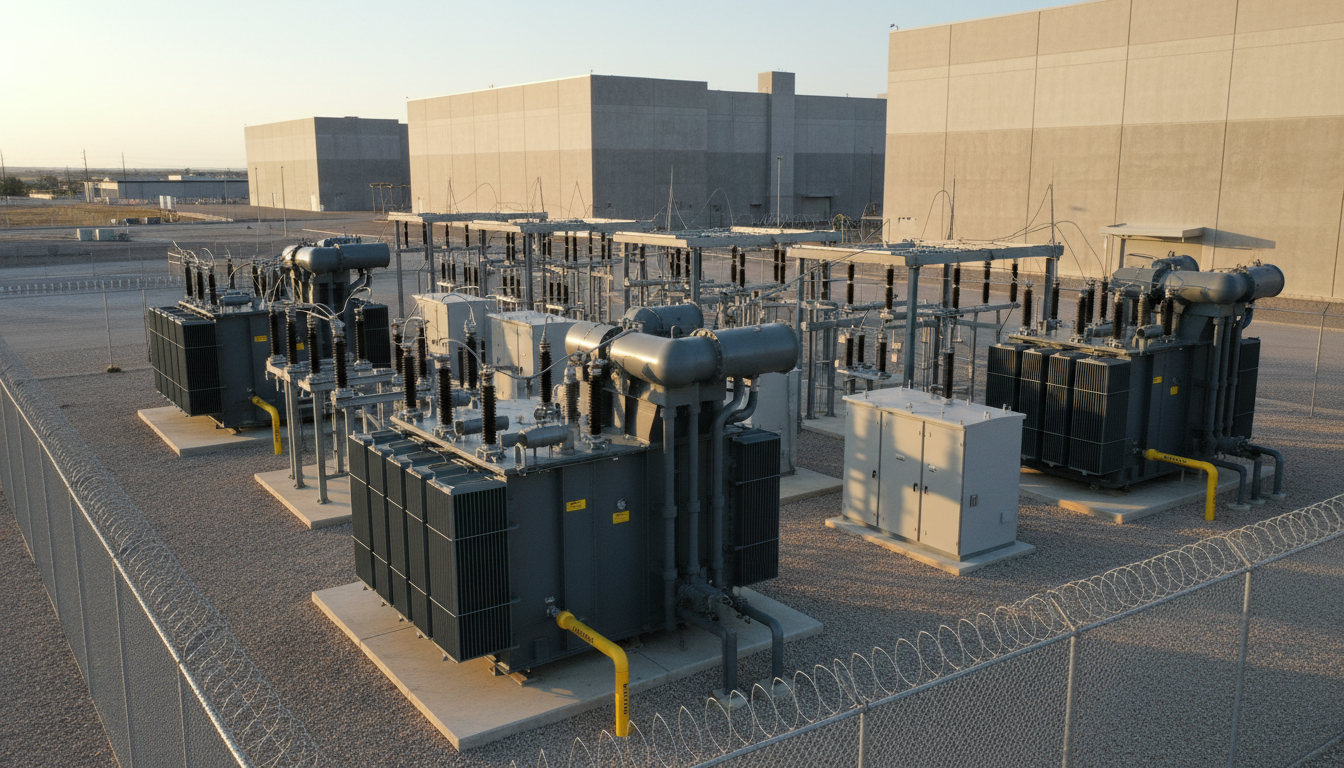
Off-Grid Natural Gas Power
On-site natural gas generation is evaluated for energy resilience, including potential use of stranded gas. Fuel availability, emissions permits, redundancy, and operating economics are confirmed project by project.
Landscape-Integrated Design
Low-profile shell architecture bermed into grade and landscaped to minimize visual impact. Native vegetation, dark-sky lighting, and perimeter setbacks deliver permanent, unobtrusive infrastructure.
Winter Isn't a
Constraint.
It's the Asset.
Focusing on the Midwest and Rocky Mountains, we evaluate cold-climate opportunities where seasonal weather can support efficient heat rejection. Our strategy considers climate alongside power, connectivity, and development suitability rather than publishing individual site locations.
Nighttime Free-Cooling Windows
Cooler overnight conditions can extend economizer operating windows beyond the winter season. System design and workload planning can take advantage of these periods, reducing reliance on mechanical refrigeration when outdoor conditions are suitable.
Sustained Sub-Zero Winters
Cold winters can provide extended periods of favorable conditions for economizer operation. Our approach evaluates seasonal weather patterns and equipment requirements to reduce mechanical cooling demand without compromising reliability.
High Delta-T Ambient Air
A larger temperature differential between outdoor air and the cooling system can improve heat rejection. Temperature, humidity, and air quality are evaluated together to select appropriate equipment and maintain reliable environmental conditions.
Lower Cooling Overhead
Cold-climate economization can reduce the energy used outside the computing load. Efficiency is evaluated for each project based on local conditions, system design, and operating requirements rather than a location-specific performance claim.
Recirculate Water.
Reduce Cooling Demand.
Our cooling approach prioritizes recirculating fluid through heat exchangers and dry coolers instead of relying on evaporative cooling towers. This can reduce ongoing cooling-water demand. Initial fill, maintenance, fluid replacement, and domestic or fire-protection supplies remain part of each project’s water assessment.
Cold Air as
Infrastructure.
Cooling equipment must match the tenant’s rack density, operating temperatures, and reliability requirements. Air handling and heat-exchange systems are evaluated together with filtration, humidity control, and local weather to establish appropriate operating limits.
Land, Power, Climate,
Fiber.
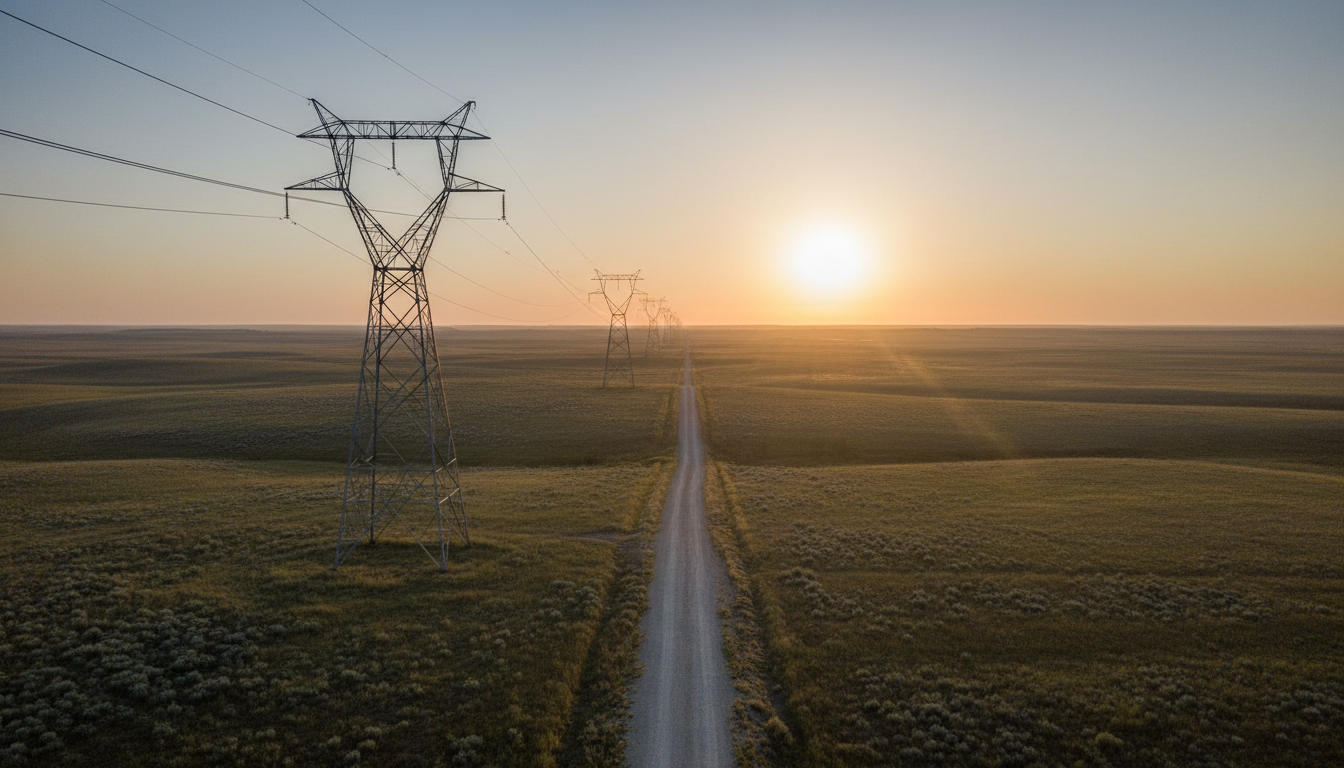
Focusing on the Midwest and Rocky Mountains, we evaluate development opportunities where land, power, climate, and fiber align. Our approach prioritizes energy resilience, cooling efficiency, and long-term infrastructure suitability.
Resilience by Design.
Economics by Assessment.
Power planning considers on-site generation, fuel supply, utility access where appropriate, and the tenant’s continuity requirements. Any proposed island-mode operation, redundancy configuration, transfer performance, or energy pricing is subject to engineering, permitting, and commercial agreements.
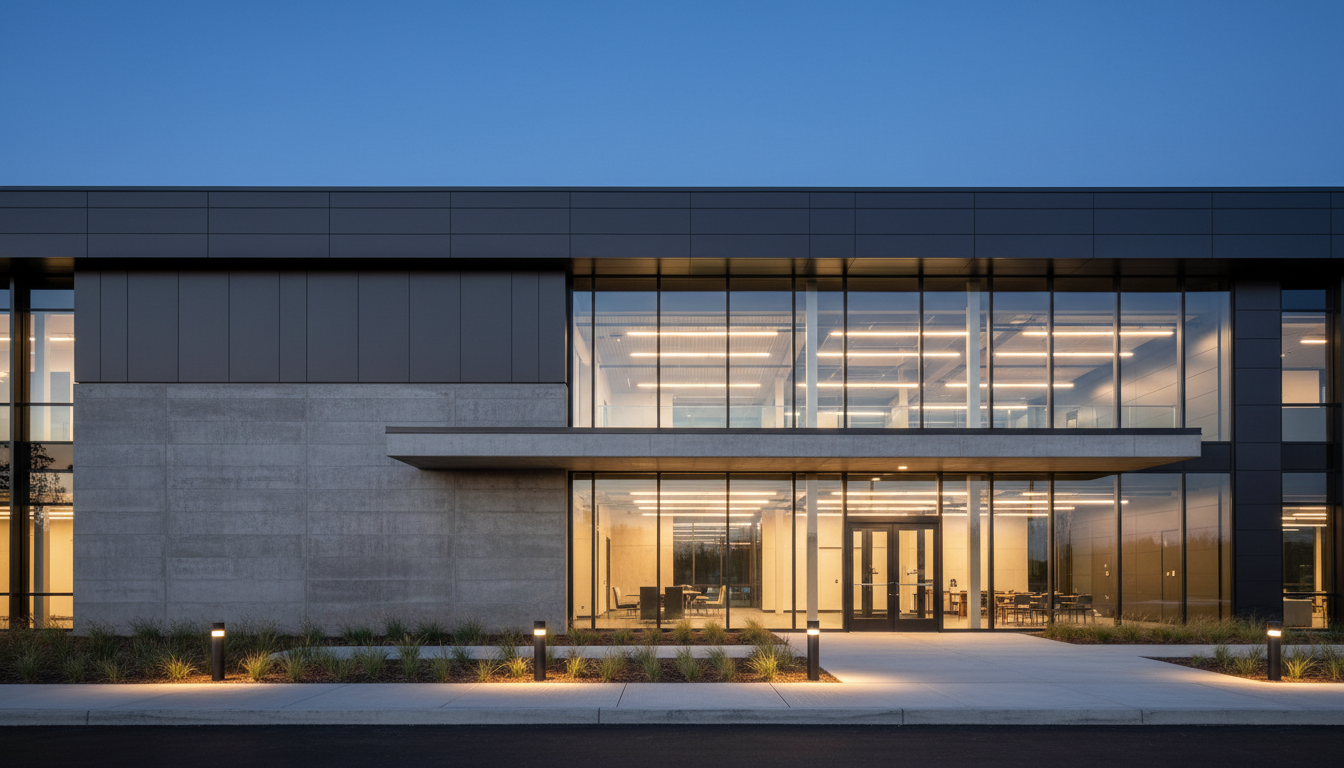
Illustrative design concept, not a photograph of an operating facility; no site location or capacity is disclosed.
Institutional Infrastructure
for the Next Era.
Capstone Basin focuses on the physical infrastructure behind compute, not managed IT services. Our development approach starts with tenant requirements, evaluates site feasibility and infrastructure needs, then defines the project scope and commercial next steps.
We develop low-profile, landscape-integrated data center shell infrastructure, focusing on the Midwest and Rocky Mountains where land, power, fiber, and climate converge. We deliver shells, not managed services. Our tenants bring their own equipment, operations, and identity. We provide the platform.
Engage our development teamHow development discussions progress
- 01
Define requirements
Discuss workload, capacity, deployment timing, and the tenant’s operating responsibilities.
- 02
Evaluate feasibility
Assess land, power, fuel supply, cooling conditions, connectivity, and approval requirements.
- 03
Develop the scope
Align the proposed shell and infrastructure scope with engineering findings and commercial assumptions.
- 04
Agree next steps
Define diligence, confidentiality, milestones, and written agreements before any capacity commitment.
The capacity you need.
The platform you trust.
Explore data center infrastructure opportunities in the Midwest and Rocky Mountains. Contact our development team to discuss your requirements and development options.
Contact Development Team